

Upper Lip Wax Gallery
$$MultiPurposeText$$
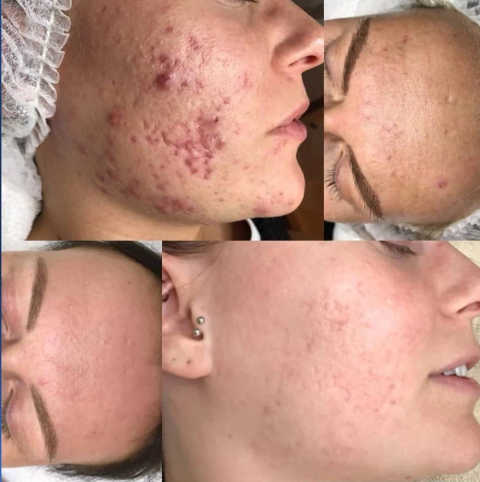
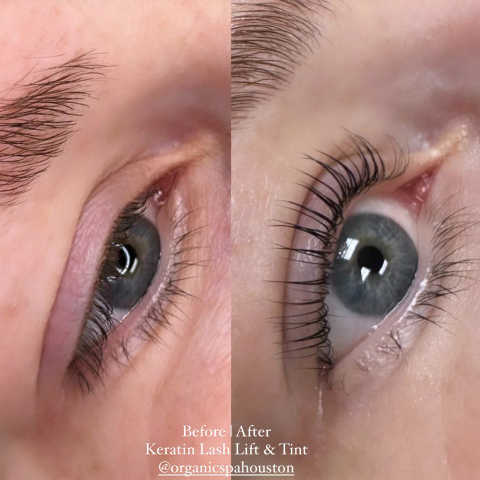
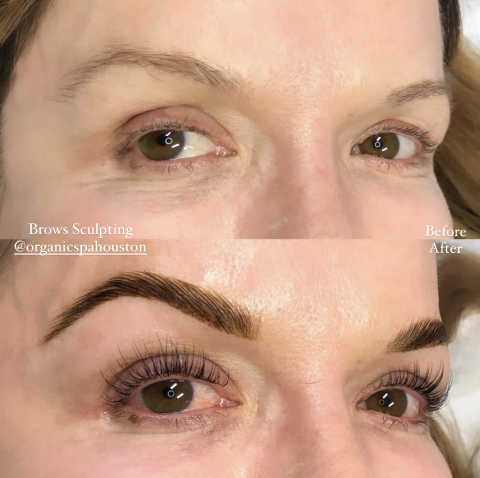
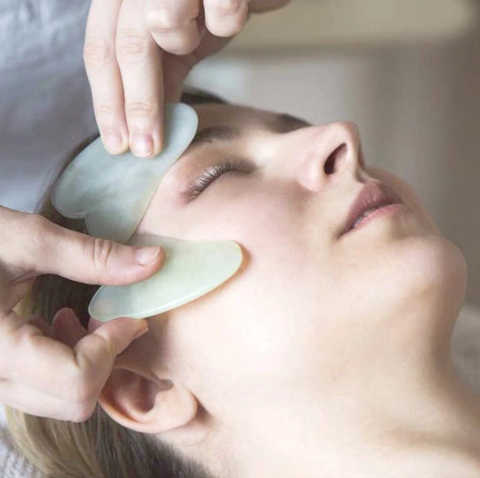
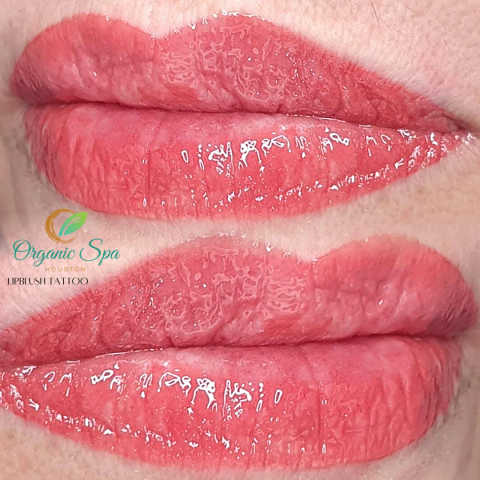
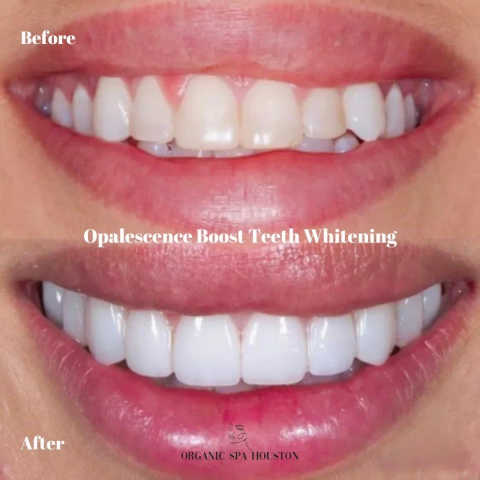
See examples of our Upper Lip Wax work and results.











What Our Clients Say
$$MultiPurposeText$$
Read testimonials from our satisfied customers

I got my eyebrows waxed and styles along with my lip and they did an amazing job!!!

...more
Frequently Asked Questions
Get answers to common questions about Upper Lip Wax.
Results usually last about three to four weeks depending on individual hair growth, hormones, and aftercare. Regular waxing often leads to finer regrowth. Avoid aggressive exfoliation immediately after and follow our post-wax care to maximize smoothness and comfort.
Most clients feel a brief sting or tug, but pain is usually mild and short-lived. Techniques like skin tension, quick strip removal, and soothing post-wax care reduce discomfort. Numbing creams are available on request for especially sensitive clients.
Arrive with clean, makeup-free skin. Hair should be about a quarter inch long for effective removal. Avoid sun exposure, chemical peels, and retinoids for several days before your appointment to reduce sensitivity and lower irritation risk.
Upper lip waxing is safe for most people, but contraindications include recent isotretinoin (Accutane) use, active cold sores, open wounds, severe rosacea, or certain skin allergies. Always inform your esthetician about medications and skin conditions before booking.
Avoid touching the area, hot showers, saunas, heavy exercise, and sun exposure for 24–48 hours. Apply a gentle soothing gel or aloe as directed, and wait 48 hours before exfoliating to prevent irritation and ingrown hairs.
We recommend scheduling sessions every three to four weeks based on your regrowth. Over time, consistent waxing can reduce hair density and soften texture. Your esthetician will advise a personalized schedule to maintain the smoothest results.