

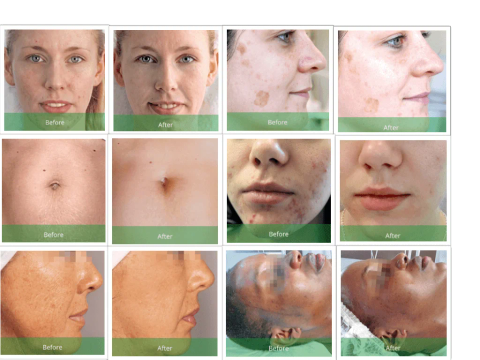
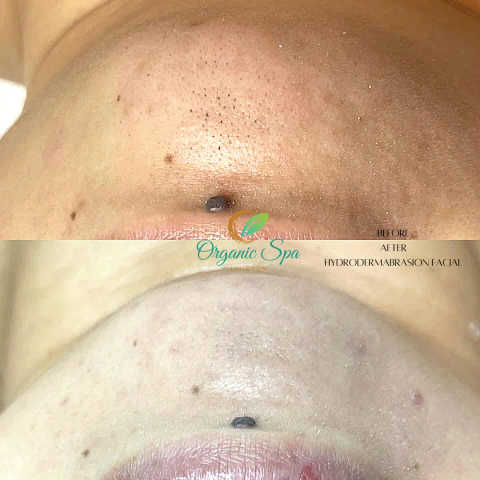
Microneedling Anti-Hyperpigmentation Spots Facial Gallery
$$MultiPurposeText$$
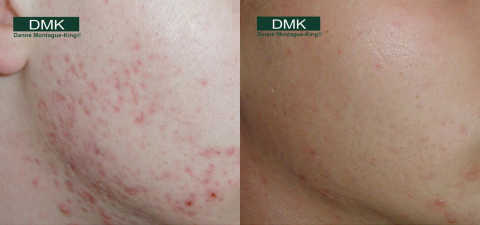
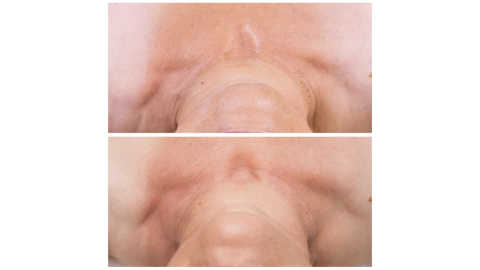
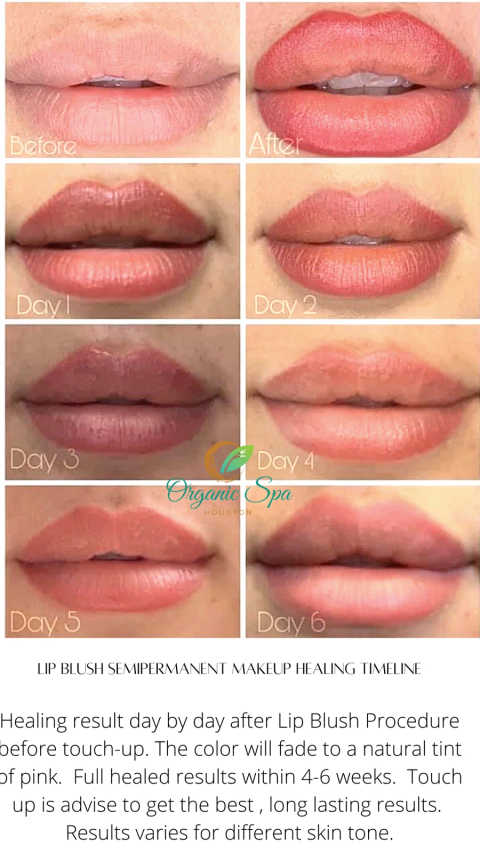
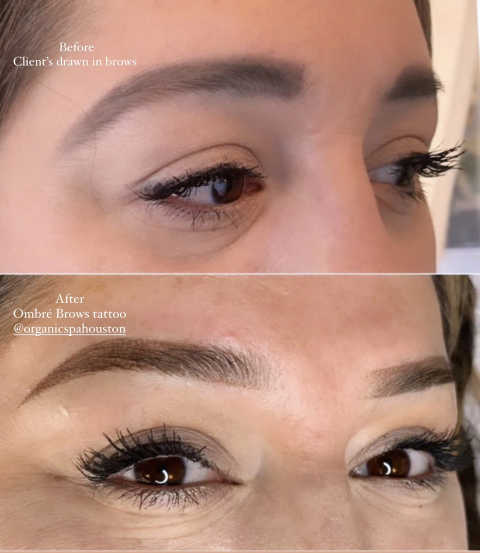
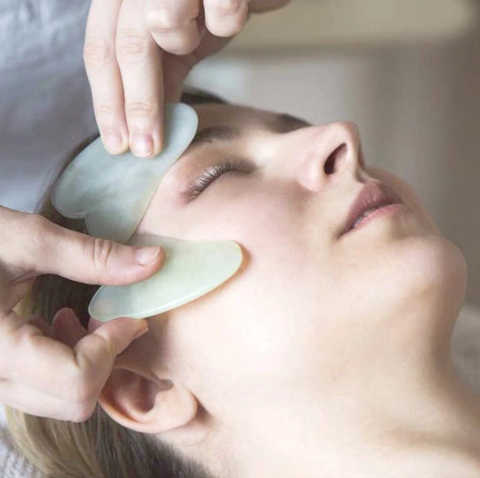
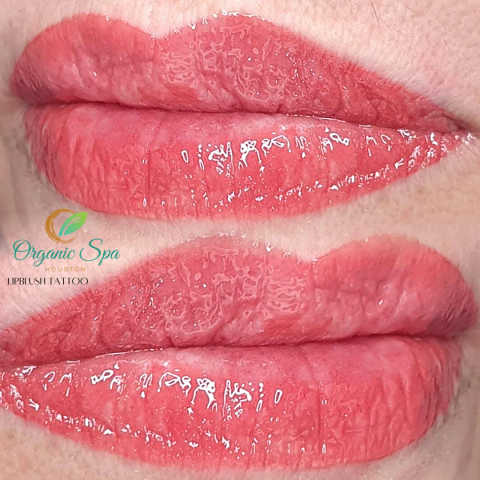
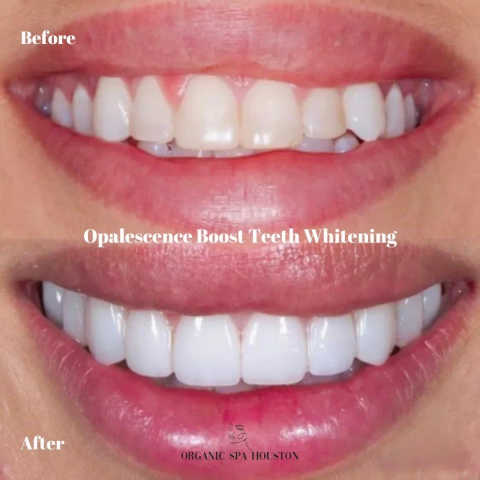
See examples of our Microneedling Anti-Hyperpigmentation Spots Facial work and results.
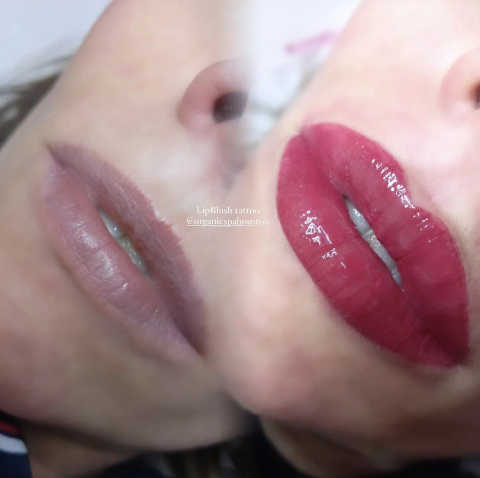
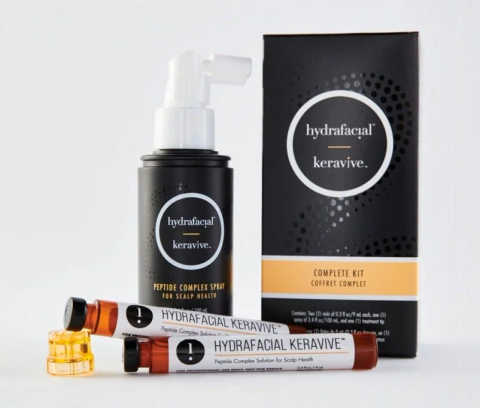



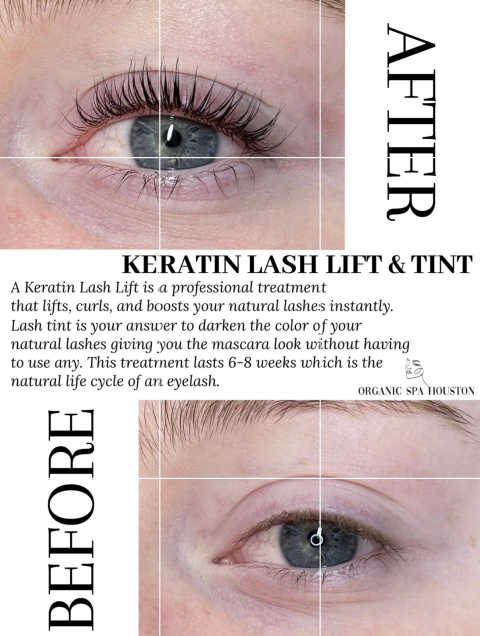


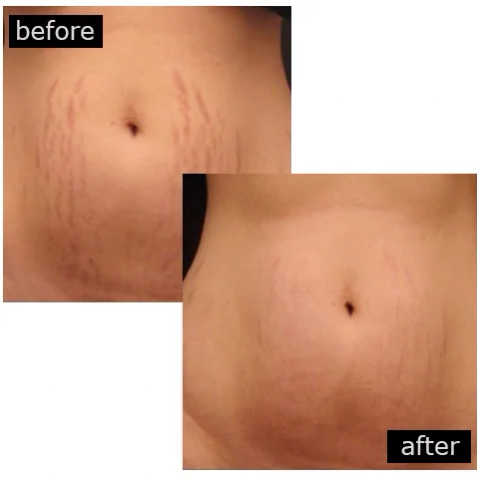
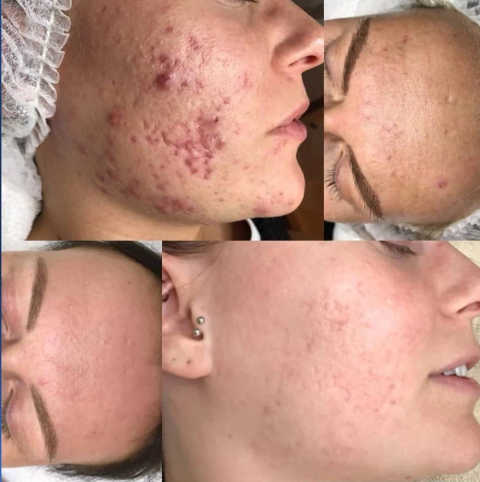

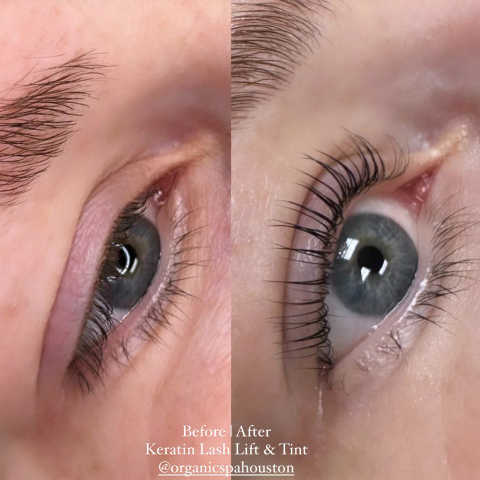

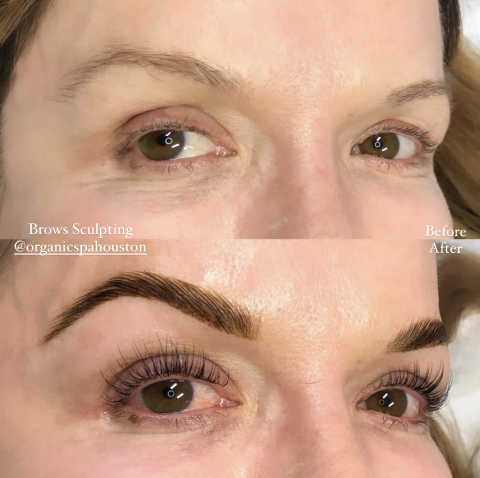



What Our Clients Say
$$MultiPurposeText$$
Read testimonials from our satisfied customers

I have cancer and the chemo meant my eyebrows were very sparse and I felt it changed my wh...more

Kylee is not only professional, kind, incredibly talented, and extremely knowledgeable, bu...more

Absolutely would recommend this place. Great customer service. When you walk in youre met ...more

Diana was very informational! I loved my hydrafacial.

Diana was so sweet and welcoming. She made my eyebrows very even which was exactly what I ...more

The spa is in an excellent location and I walk here for my Hydrafacial treatment. The esth...more

Frequently Asked Questions
Get answers to common questions about Microneedling Anti-Hyperpigmentation Spots Facial.
Most clients benefit from 3–6 sessions spaced four to six weeks apart. Exact frequency depends on pigmentation severity and skin response; our specialist customizes your plan and recommends maintenance intervals for lasting improvement.
Downtime is minimal for most people: redness and mild swelling typically subside within 24–72 hours. Some pinpoint scabbing or flaking may appear; full surface healing continues over one to two weeks with proper aftercare.
Microneedling with exosomes can be safe for many skin types, including darker tones, when performed with appropriate settings. We evaluate melasma risk, perform a consultation, and may recommend test spots or alternative approaches.
Melasma is complex but can improve with this combined approach. Multiple sessions, strict sun protection, and adjunct topical therapies are usually required; results vary and ongoing maintenance is often necessary.
Keep skin gentle and hydrated, avoid retinoids and exfoliants for about a week, apply broad-spectrum SPF daily, and skip hot tubs, saunas, or strenuous exercise for 48–72 hours to protect healing skin.
We apply topical numbing before treatment to minimize discomfort. Most clients feel mild prickling or pressure only. Pain is typically well tolerated; stronger anesthesia options can be discussed during consultation.