

Bikini IPL Gallery
$$MultiPurposeText$$
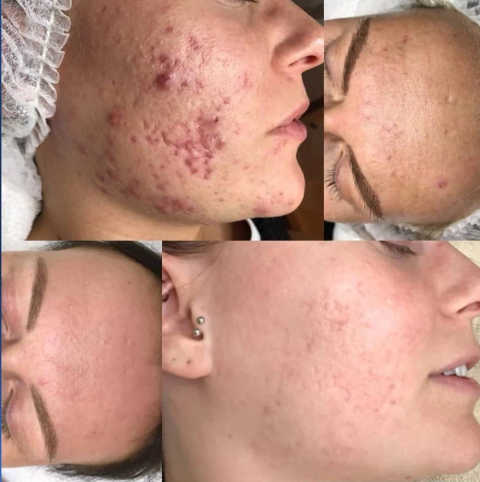
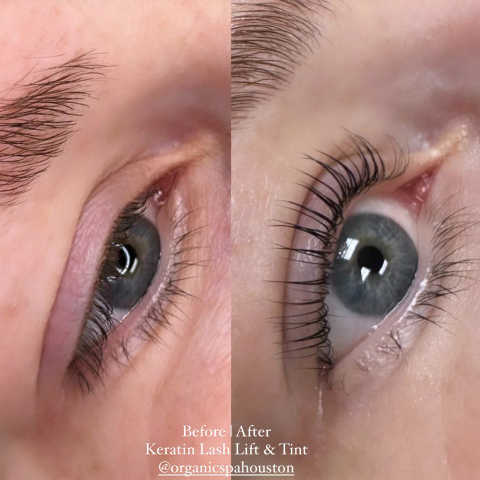
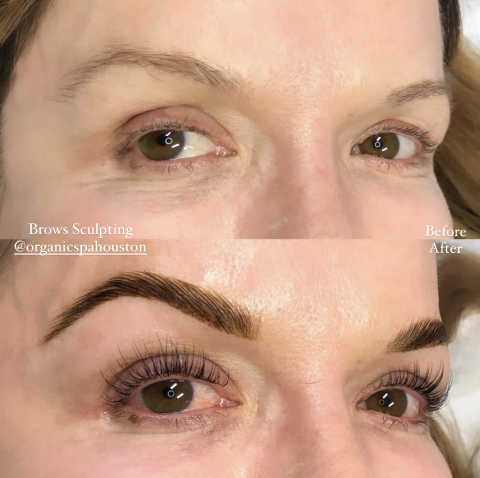
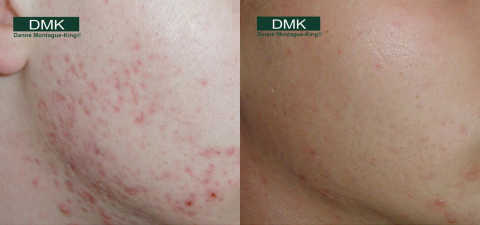
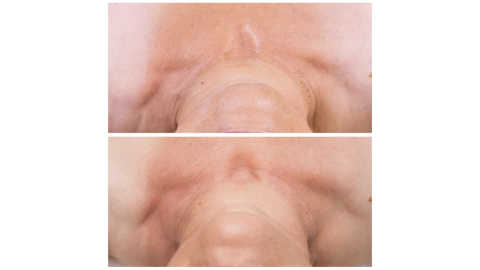
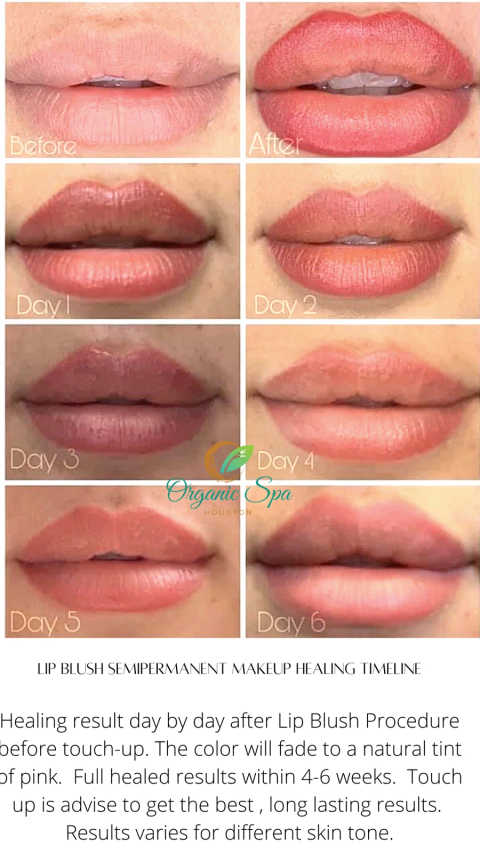
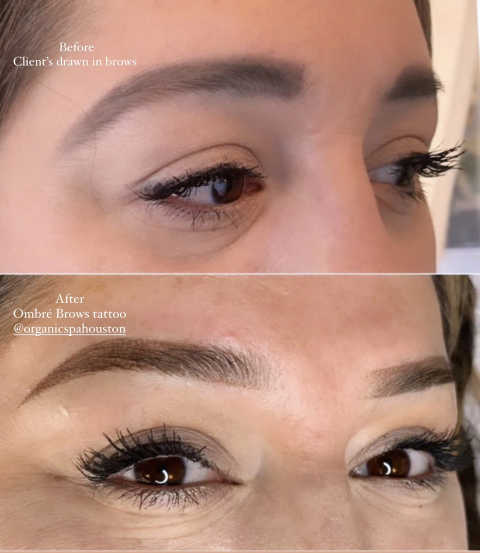
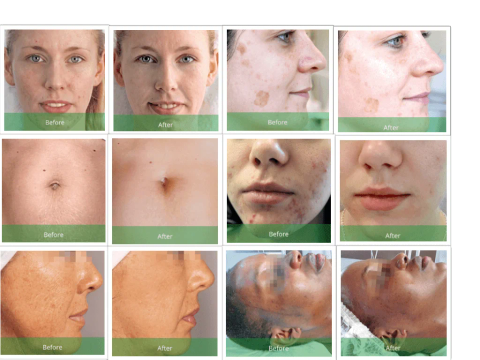
See examples of our Bikini IPL work and results.











What Our Clients Say
$$MultiPurposeText$$
Read testimonials from our satisfied customers

I have cancer and the chemo meant my eyebrows were very sparse and I felt it changed my wh...more

Kylee is not only professional, kind, incredibly talented, and extremely knowledgeable, bu...more

Absolutely would recommend this place. Great customer service. When you walk in youre met ...more

Diana was very informational! I loved my hydrafacial.

Diana was so sweet and welcoming. She made my eyebrows very even which was exactly what I ...more

The spa is in an excellent location and I walk here for my Hydrafacial treatment. The esth...more

Frequently Asked Questions
Get answers to common questions about Bikini IPL.
Most clients require 6–8 sessions spaced four to six weeks apart to cover hair growth cycles. Exact number depends on hair thickness, color, and hormonal factors. We provide a personalized treatment plan during your consultation.
IPL targets and disables hair follicles to produce long-term reduction, often achieving permanent hair loss in treated follicles. Occasional fine regrowth may occur, and maintenance sessions can extend smooth results depending on hormones and individual response.
You may feel mild snapping or warming sensations, typically tolerable. We use cooling tips and adjustable settings to minimize discomfort. Topical numbing is available for sensitive clients, and sessions are brief with minimal recovery time.
Many darker skin tones can be safely treated with advanced IPL devices, but candidacy depends on contrast between hair and skin. We'll assess and perform a patch test, adjusting settings or offering alternatives if IPL isn’t ideal.
Avoid sun exposure, tanning, and waxing for several weeks before treatment. Shave the area 24–48 hours prior. Afterward, use gentle cleansers, cool compresses, avoid heat and direct sun, and apply SPF to protect treated skin.
Temporary redness, swelling, or follicular irritation are common and resolve within days. Rare risks include blistering or pigmentation changes, especially with recent sun exposure. We reduce risk through assessment, patch testing, and individualized settings.