


Chemical Peels for Scars Stretch Marks Hyperpigmentation Gallery
$$MultiPurposeText$$
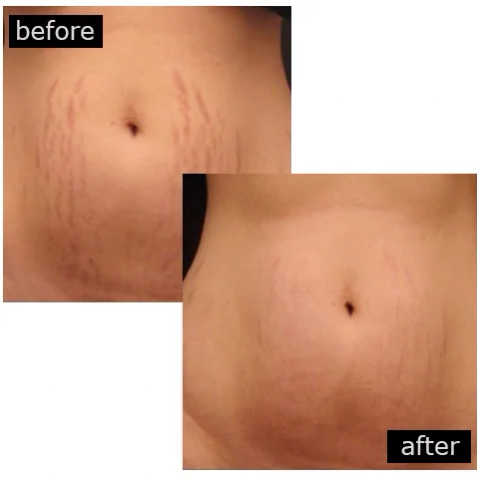
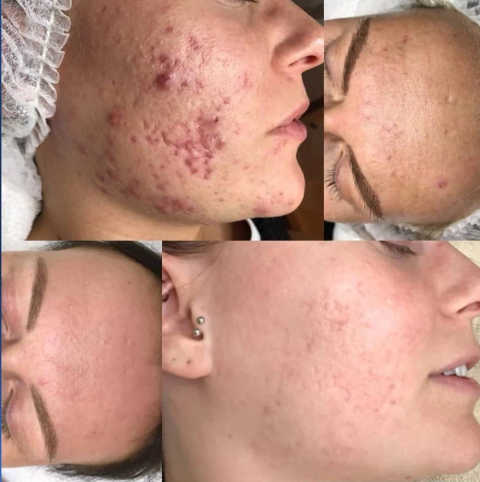
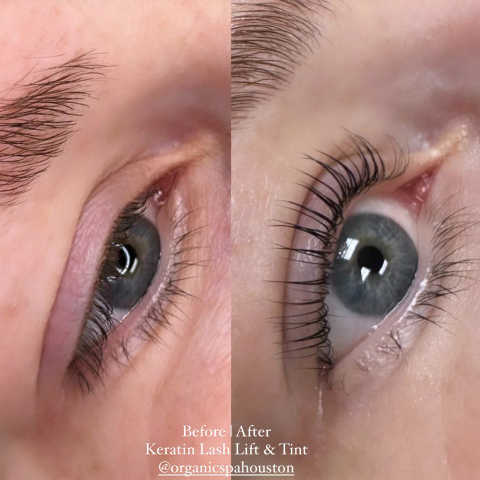
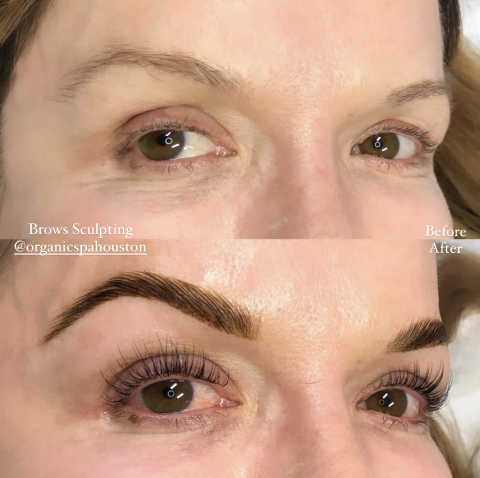
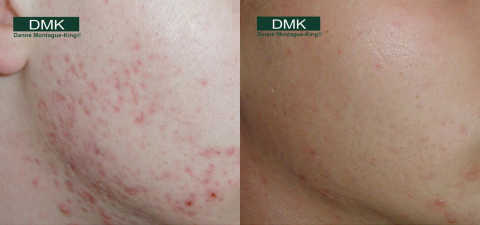
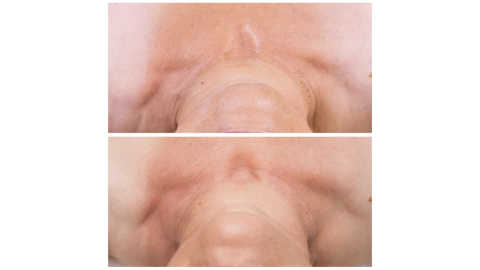
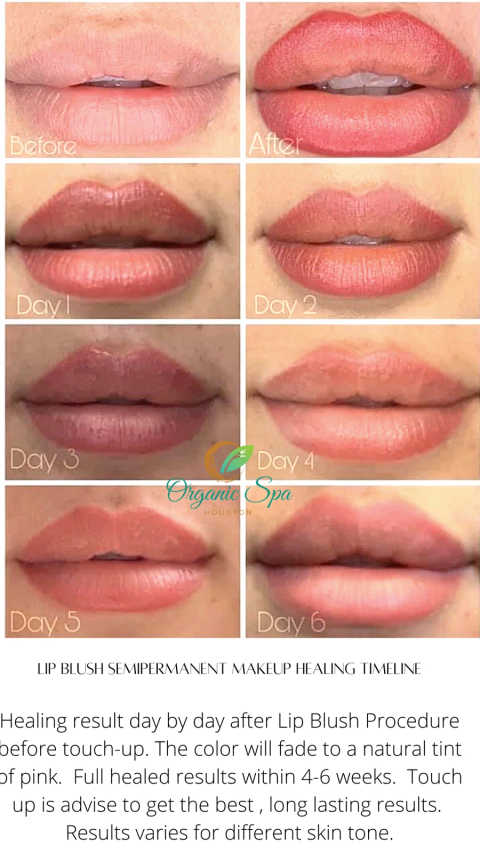
See examples of our Chemical Peels for Scars Stretch Marks Hyperpigmentation work and results.











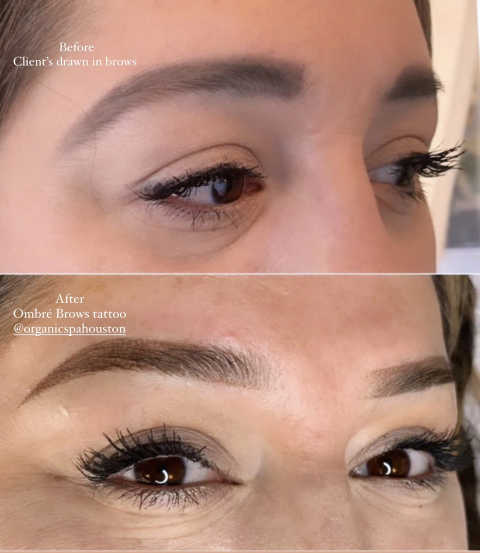
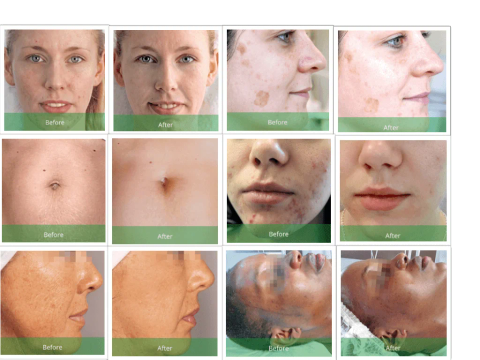
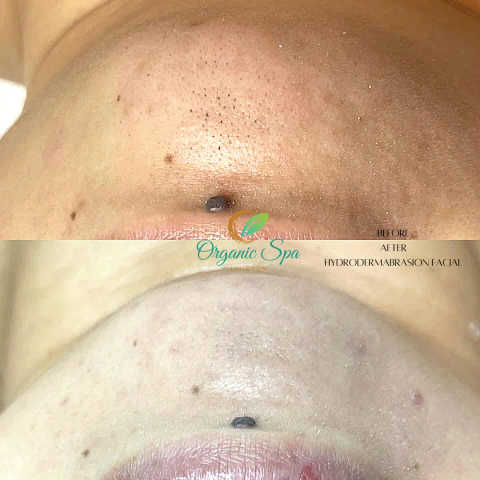

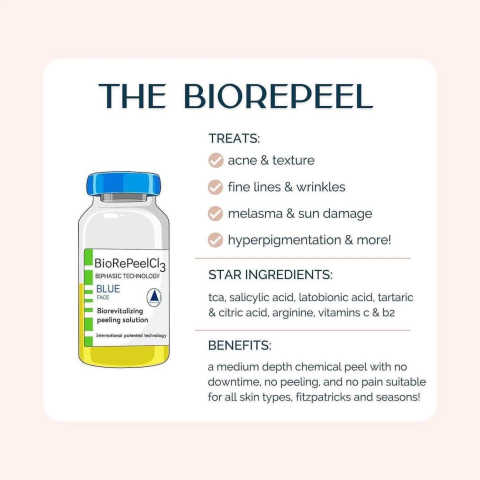



What Our Clients Say
$$MultiPurposeText$$
Read testimonials from our satisfied customers

I have cancer and the chemo meant my eyebrows were very sparse and I felt it changed my wh...more

Kylee is not only professional, kind, incredibly talented, and extremely knowledgeable, bu...more

Absolutely would recommend this place. Great customer service. When you walk in youre met ...more

Diana was very informational! I loved my hydrafacial.

Diana was so sweet and welcoming. She made my eyebrows very even which was exactly what I ...more

The spa is in an excellent location and I walk here for my Hydrafacial treatment. The esth...more

Frequently Asked Questions
Get answers to common questions about Chemical Peels for Scars Stretch Marks Hyperpigmentation.
This body peel is safe for most areas including thighs, abdomen, arms, back, and breasts. Your provider will assess skin type and the scar or stretch mark location to customize peel strength and coverage for optimal results.
Most clients see meaningful improvement after three to six sessions spaced several weeks apart. Exact number depends on scar depth, pigmentation severity, and skin response; your clinician will recommend a personalized treatment plan.
Sensation varies; many feel mild stinging, warmth, or tingling during application. Topical anesthetic and cooling reduce discomfort. Post-treatment redness and peeling are common but manageable with proper aftercare and products.
Downtime typically ranges from minimal redness to several days of visible peeling depending on peel depth. Most resume normal activities within a week, though avoiding sun exposure and heavy exercise is recommended while skin heals.
Temporary redness, peeling, sensitivity, or slight pigment changes can occur. Rarely, scarring or prolonged discoloration happens. A thorough consultation and proper pre/post care minimize risks—disclose medical history and medications beforehand.
Avoid strong exfoliants, retinoids, and sun exposure for one to two weeks prior. Follow provider instructions about discontinuing certain medications. Arrive with clean skin and discuss allergies, skin history, and recent tanning for safe treatment.