

Permanent Eyebrow Removal Alternative - Second or More Session Gallery
$$MultiPurposeText$$
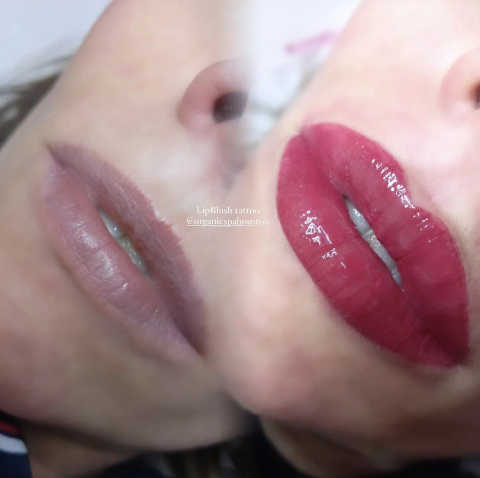
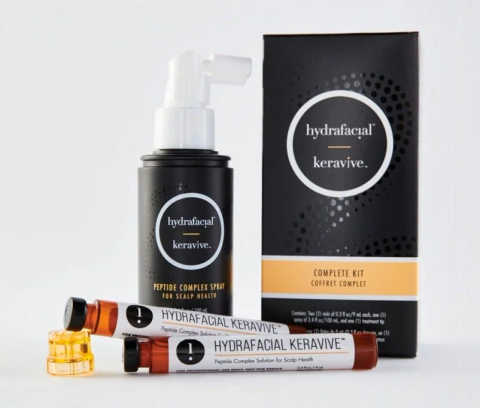
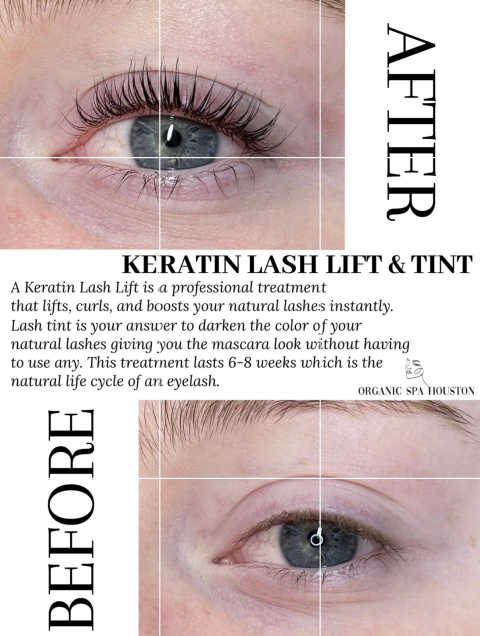
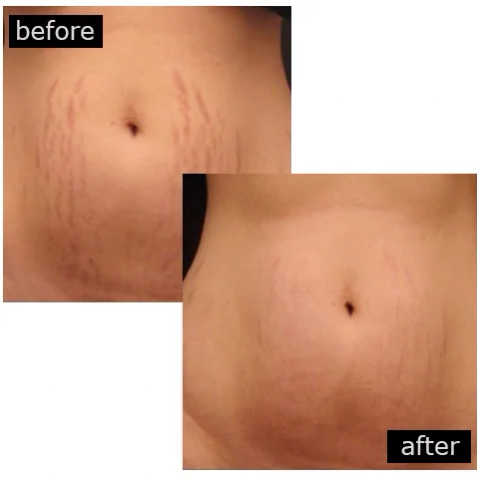
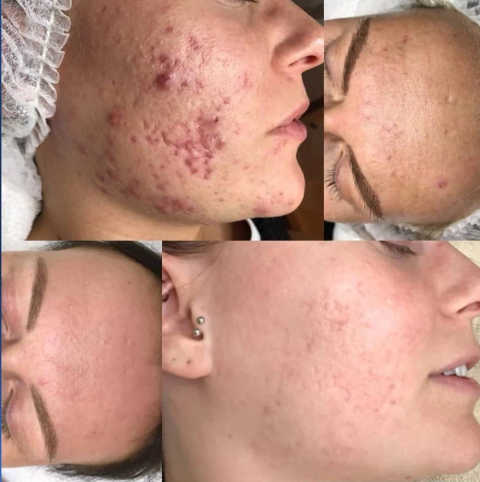
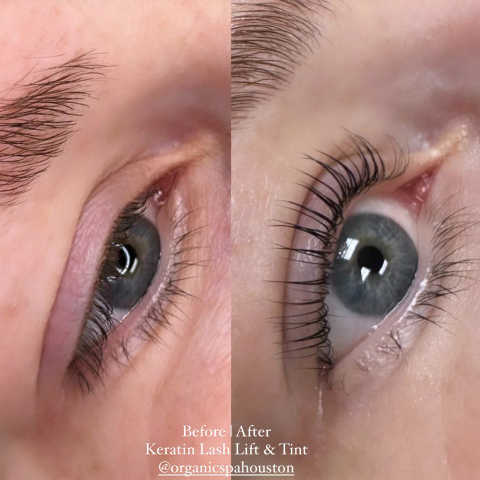
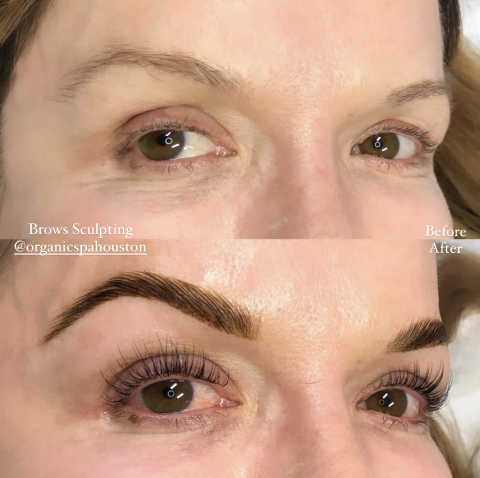
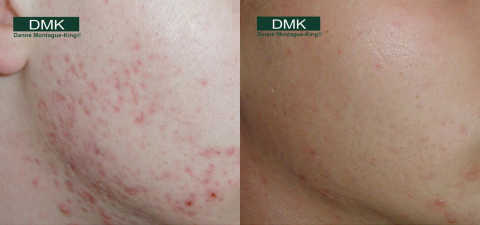
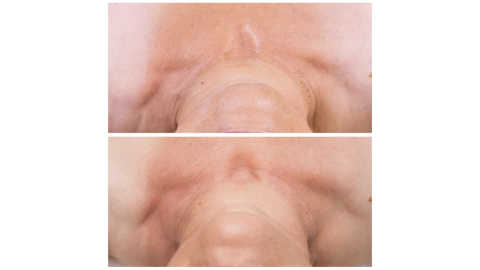
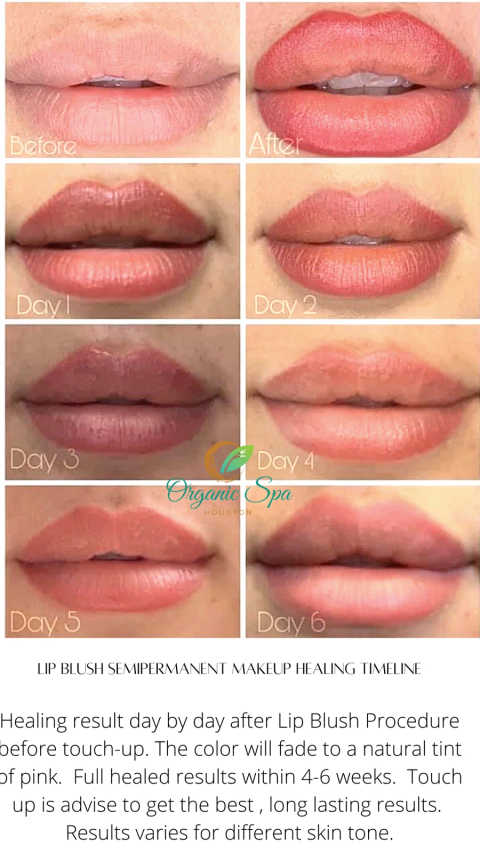
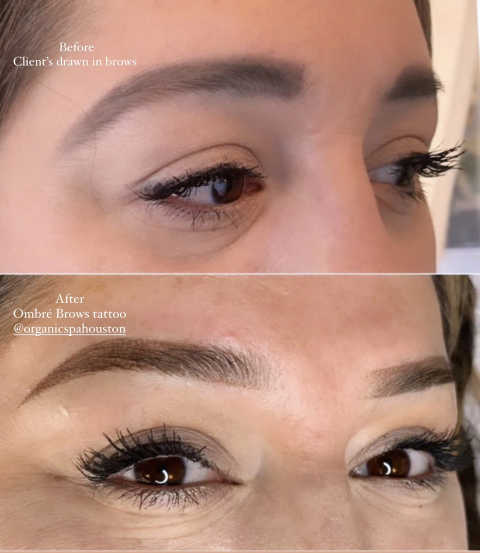
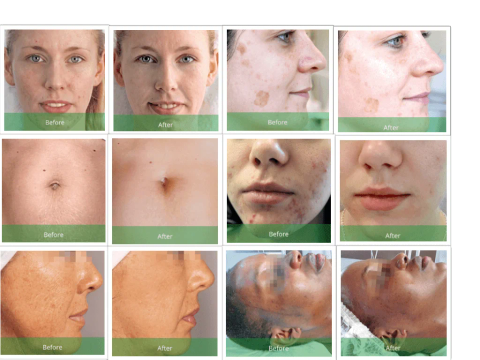
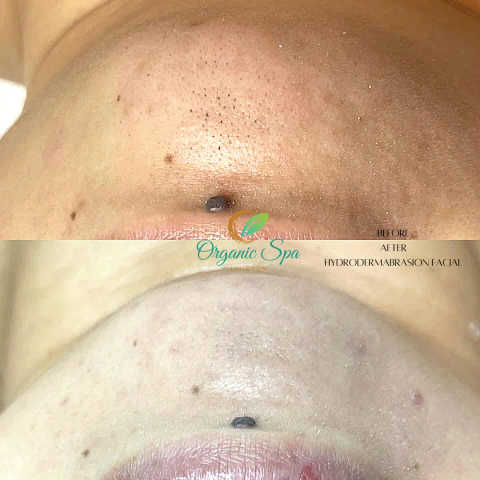
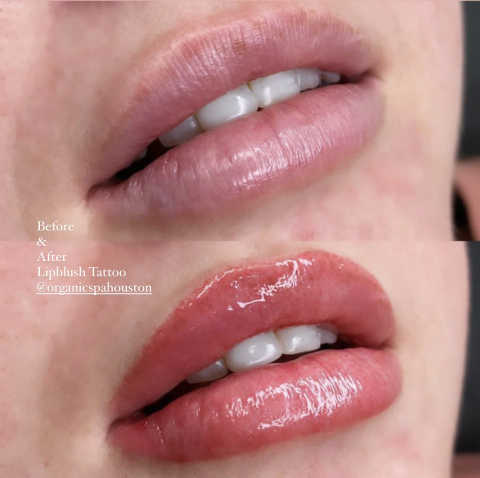
See examples of our Permanent Eyebrow Removal Alternative - Second or More Session work and results.












What Our Clients Say
$$MultiPurposeText$$
Read testimonials from our satisfied customers

I have cancer and the chemo meant my eyebrows were very sparse and I felt it changed my wh...more

Kylee is not only professional, kind, incredibly talented, and extremely knowledgeable, bu...more

Absolutely would recommend this place. Great customer service. When you walk in youre met ...more

Diana was very informational! I loved my hydrafacial.

Diana was so sweet and welcoming. She made my eyebrows very even which was exactly what I ...more

The spa is in an excellent location and I walk here for my Hydrafacial treatment. The esth...more

Frequently Asked Questions
Get answers to common questions about Permanent Eyebrow Removal Alternative - Second or More Session.
During follow-up sessions we reassess pigment response and use alternative technology selected for safety and effectiveness. Treatments are typically shorter than initial sessions, may cause mild discomfort, and include personalized aftercare and scheduling recommendations.
Number of follow-ups varies by pigment depth, ink type, and skin response. Typical clients need two to four additional sessions spaced six to eight weeks apart. Your technician will recommend a tailored schedule after evaluating results.
Our specialists assess skin tone, sensitivity, and pigment composition before selecting the appropriate alternative technology. Most skin types can be treated safely, though some cases require adjusted settings or patch testing to minimize risk.
Many clients see significant or complete fading, but results depend on pigment depth, color, and prior healing. Multiple progressive sessions typically reduce pigment; your technician will estimate likely outcomes after assessing the second session.
Follow aftercare instructions closely: keep the area clean, avoid sun exposure, swimming, and heavy makeup for the recommended period. Use prescribed ointments and report any unusual pain or infection signs to support proper healing.
Temporary redness, swelling, mild scabbing, or sensitivity are common and usually resolve in days to two weeks. Rare risks include pigment persistence, hypo- or hyperpigmentation, or scarring; we minimize risks with conservative settings and care guidance.