


Scars Camouflage PMU Gallery
$$MultiPurposeText$$
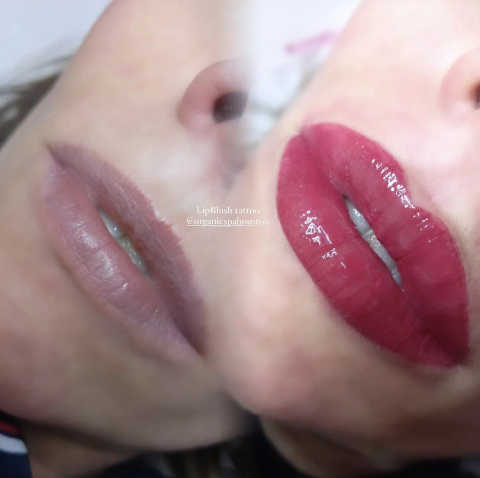
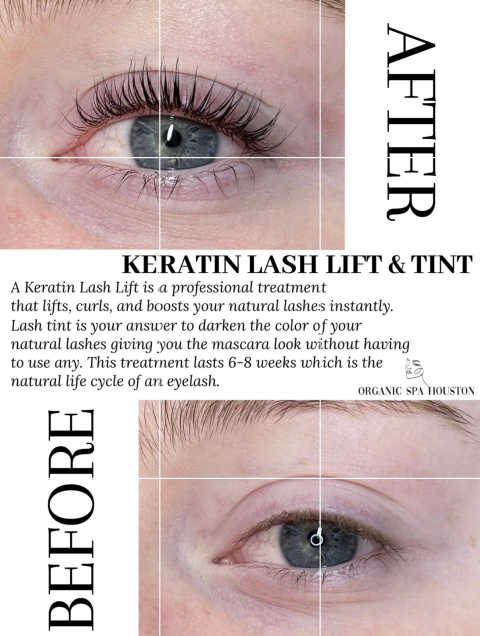
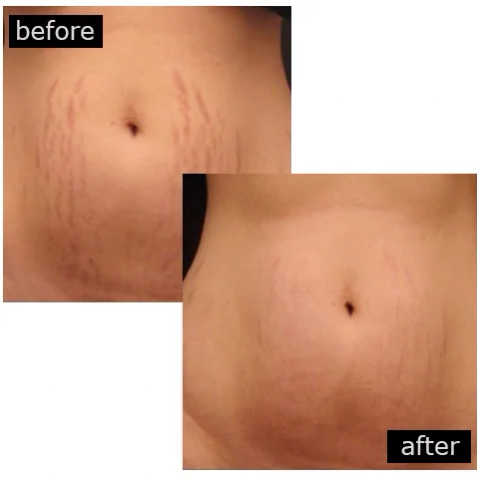
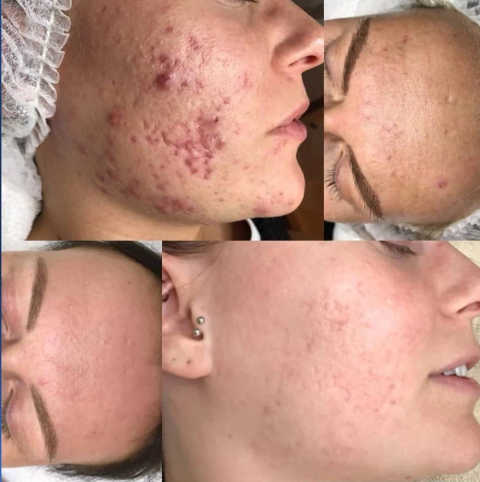
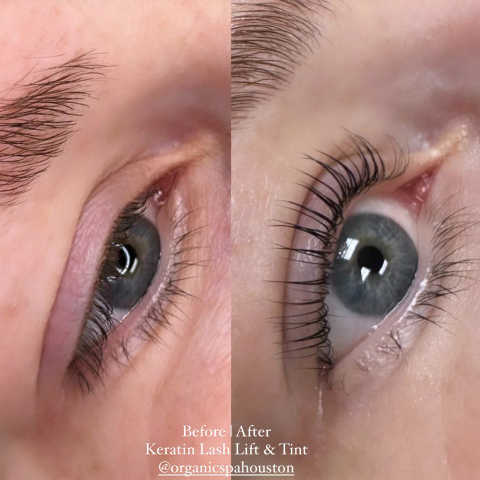
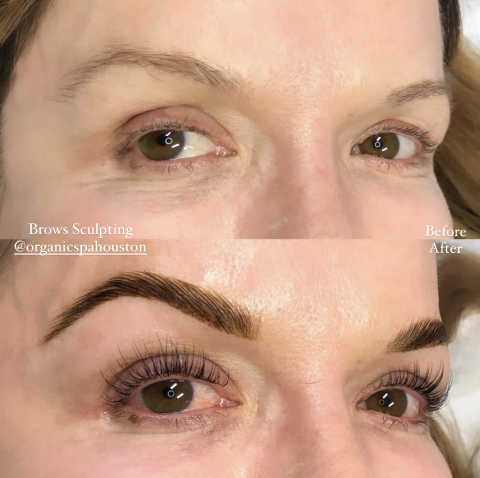
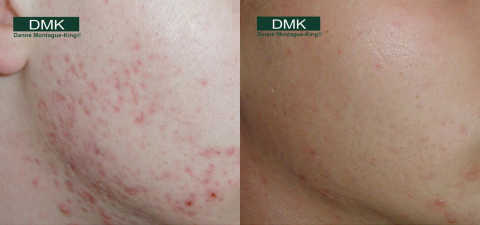
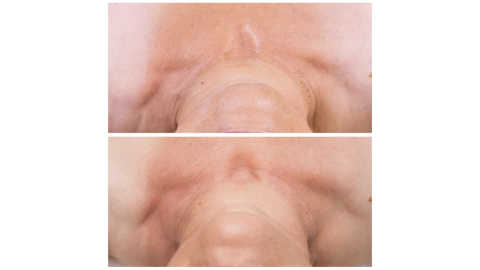
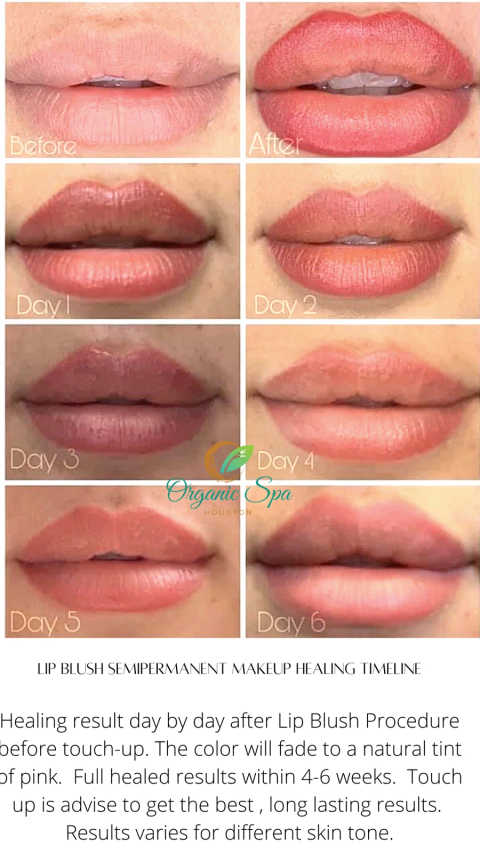
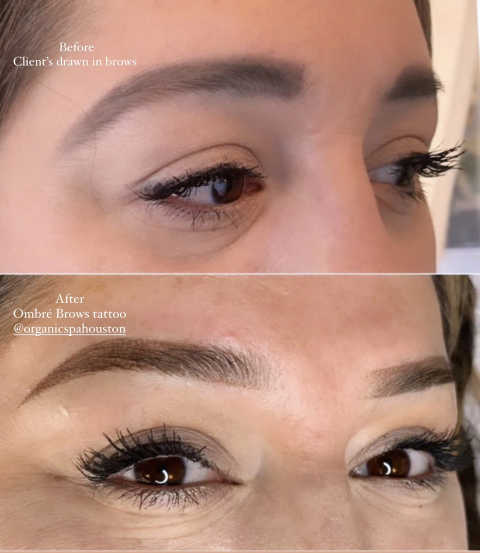
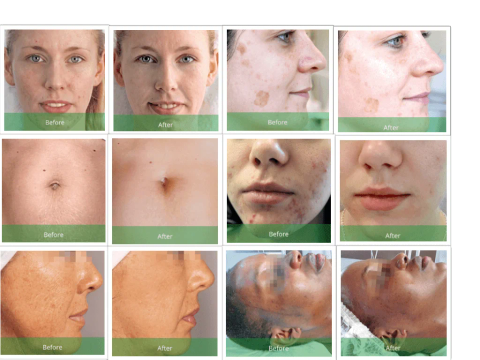
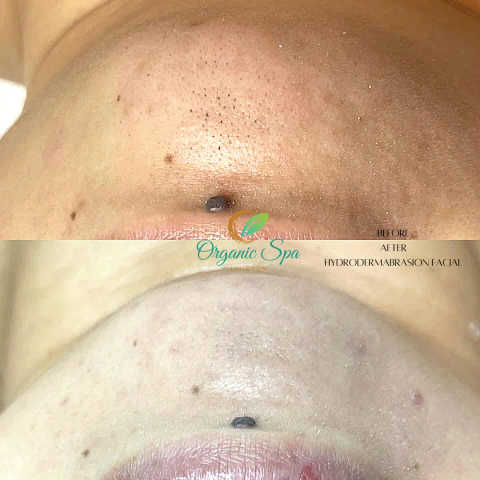
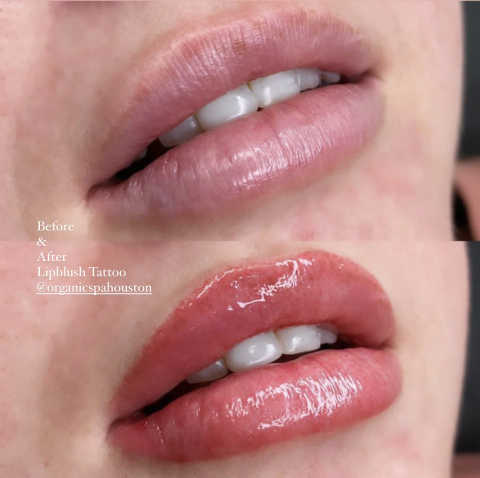
See examples of our Scars Camouflage PMU work and results.











What Our Clients Say
$$MultiPurposeText$$
Read testimonials from our satisfied customers

I have cancer and the chemo meant my eyebrows were very sparse and I felt it changed my wh...more

Kylee is not only professional, kind, incredibly talented, and extremely knowledgeable, bu...more

Absolutely would recommend this place. Great customer service. When you walk in youre met ...more

Diana was very informational! I loved my hydrafacial.

Diana was so sweet and welcoming. She made my eyebrows very even which was exactly what I ...more

The spa is in an excellent location and I walk here for my Hydrafacial treatment. The esth...more

Frequently Asked Questions
Get answers to common questions about Scars Camouflage PMU.
Scars Camouflage PMU uses specialized pigments implanted into scar tissue to visually blend scars with surrounding skin. After a consultation, technician maps tone and texture, applies numbing, and completes treatment in one session with optional touch-ups for refinement and longevity.
Most clients with fully healed, stable scars are good candidates. We evaluate scar age, texture, and skin type during consultation. Active wounds, recent surgeries, or certain skin conditions may require medical clearance or more time before pigmentation can be applied.
Typically one to three sessions achieve optimal blending, depending on scar depth, size, and skin response. A color-correction or touch-up appointment at six to twelve weeks is common to refine tone and ensure long-lasting, even coverage.
We apply topical numbing so most clients feel minimal discomfort—often described as light scratching or vibration. Expect some redness and sensitivity after treatment; downtime is limited, typically a few days while the area heals and pigment settles.
Avoid blood-thinning medications, alcohol, aspirin, and supplements like fish oil for five to seven days, and skip retinol or exfoliating products one week prior. Arrive with clean skin, and bring medical history details for a thorough consultation.
Careful aftercare preserves pigment and healing. Keep the area clean and dry initially, apply recommended ointment, avoid sun exposure, swimming, and makeup until healed, and do not pick scabs. Follow your technician's instructions and schedule your follow-up touch-up.