

Keratoses Removal Gallery
$$MultiPurposeText$$
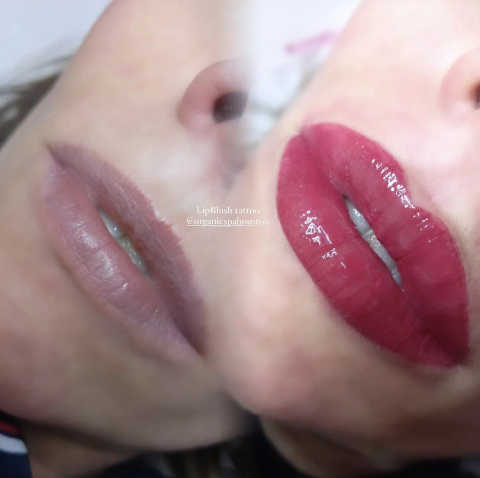
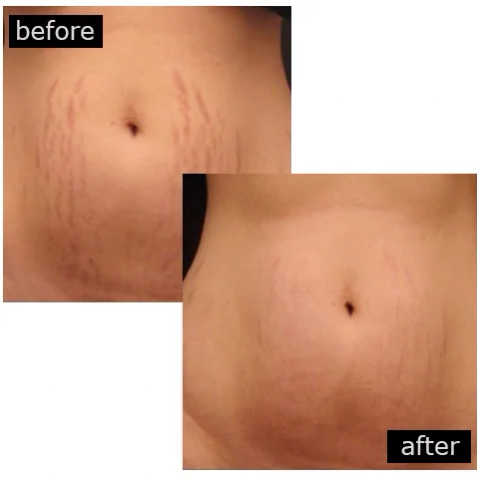
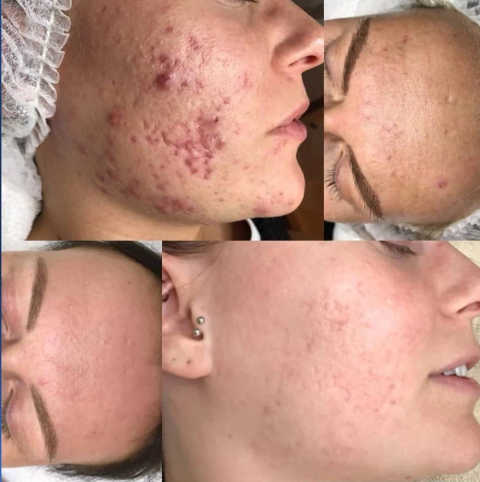
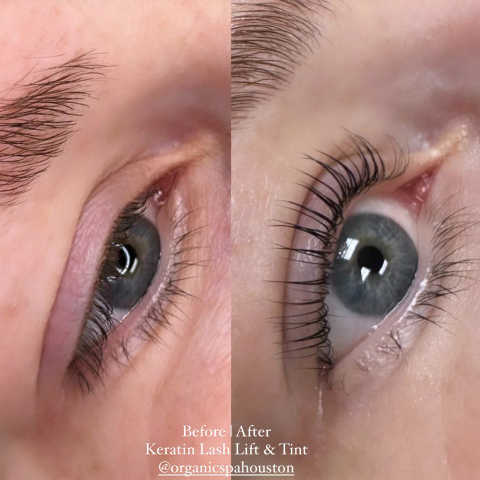
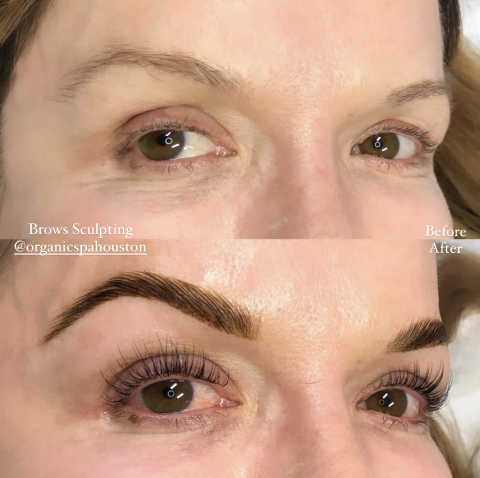
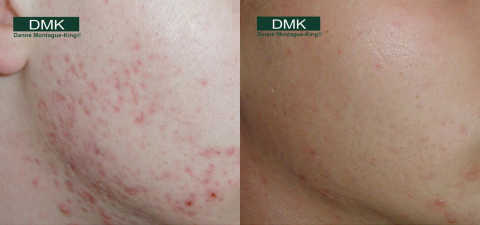
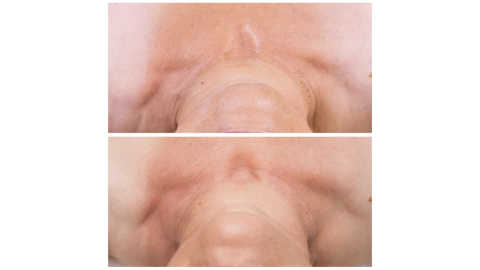
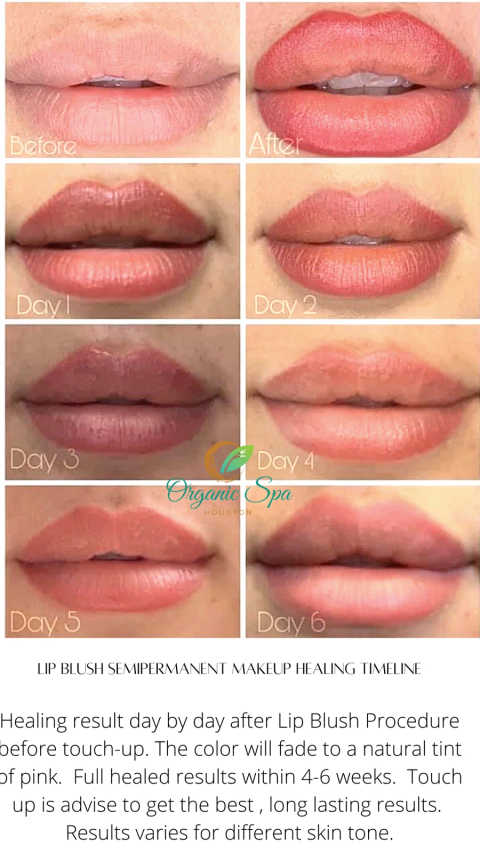
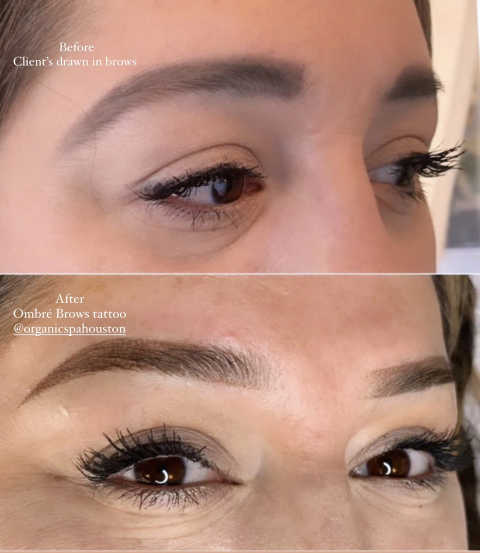
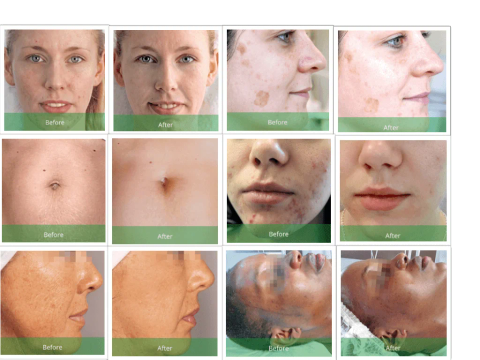
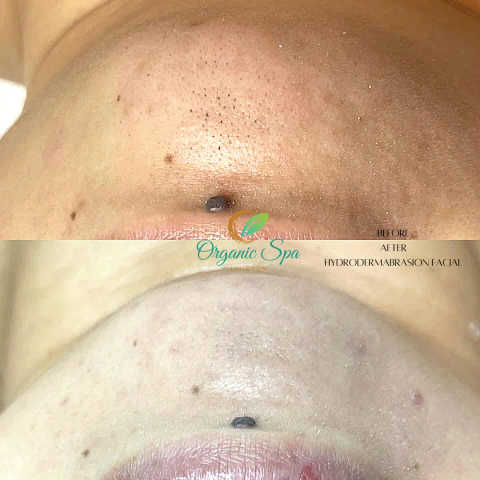
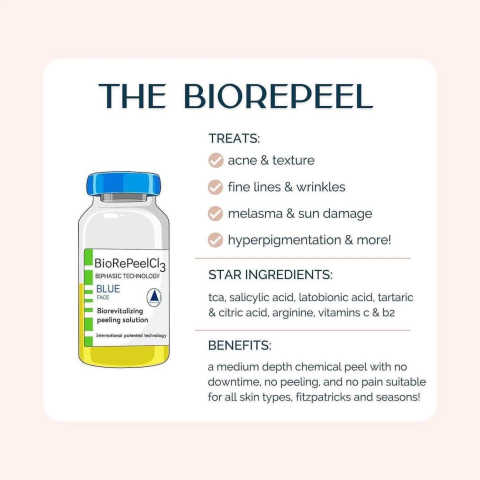
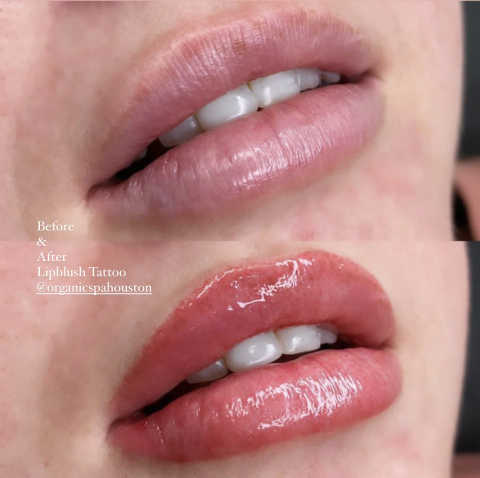
See examples of our Keratoses Removal work and results.












What Our Clients Say
$$MultiPurposeText$$
Read testimonials from our satisfied customers

I have cancer and the chemo meant my eyebrows were very sparse and I felt it changed my wh...more

Kylee is not only professional, kind, incredibly talented, and extremely knowledgeable, bu...more

Absolutely would recommend this place. Great customer service. When you walk in youre met ...more

Diana was very informational! I loved my hydrafacial.

Diana was so sweet and welcoming. She made my eyebrows very even which was exactly what I ...more

The spa is in an excellent location and I walk here for my Hydrafacial treatment. The esth...more

Frequently Asked Questions
Get answers to common questions about Keratoses Removal.
During your Keratoses Removal session expect a quick, non-invasive procedure with no anesthesia. Most clients feel mild warmth or light prickling. Treatments are rapid, and the area may appear slightly red immediately, typically improving in hours to days with simple aftercare.
Keratoses Removal is generally well-tolerated with minimal discomfort; anesthesia isn’t required. Rarely, tiny pinpoint bleeding can occur for superficial lesions, but providers control it immediately. Any minor bleeding or irritation resolves quickly with recommended topical care and protection.
Recovery after Keratoses Removal is usually fast. You can resume normal activities immediately, though treated areas may show mild redness or a light crust for three to seven days. Follow our aftercare instructions, avoid direct sun, and use sunscreen to protect healing skin.
Many keratoses require only a single Keratoses Removal treatment for complete removal. Larger or multiple lesions may need additional sessions spaced several weeks apart. We assess each case during consultation and tailor a treatment plan to achieve the best, long-term results.
Side effects from Keratoses Removal are typically minor: transient redness, light scabbing, or temporary pigment changes. Scarring and infection are uncommon when performed correctly. We review risks during consultation and provide aftercare to minimize complications and promote optimal healing.
Yes — Keratoses Removal can be safely performed on sensitive and facial skin using gentle settings and precise technique. We customize treatment for delicate areas, review medical history, and recommend protective measures like sunscreen during healing to ensure safe, effective results.